Golfing Graphics for Local Business Branding
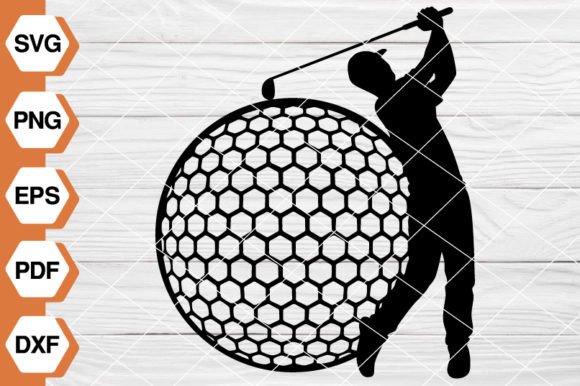
As a brand designer, I often look for graphic design assets that can elevate a small business’s visual identity without overwhelming it. Golfing is one such asset that offers versatility and clarity for real local business branding, product packaging, and promotional material use.
The First Impression of Golfing
Golfing carries a clean, modern aesthetic that suggests a sense of precision and elegance. The illustrations are minimal yet impactful, making them ideal for brands that want to communicate sophistication without being overly complex. This style works well for businesses aiming for a professional yet approachable image—think boutique stores, handmade soap businesses, or artisanal food labels.
The mood created by Golfing is calm and confident, which aligns with brands that value quality and consistency. It doesn’t feel overly playful or casual, but it also isn’t too rigid or formal. This makes it a good fit for businesses looking to build trust through visual clarity and design integrity.
Real-World Applications for Local Businesses
Golfing can be used in a variety of ways for small business branding. From logo design to product labels, this graphic design asset provides a strong visual foundation. For example, a coffee shop could use it as a background element on their website banners or as a decorative accent on their takeaway cups.
It’s also great for packaging design. A skincare brand might incorporate Golfing into their product labels or as a pattern on the back of their boxes. The high-resolution files make it easy to scale up or down without losing quality, which is essential for product mockups and printable designs.
In social media graphics, Golfing can serve as a hero image or a recurring motif across different platforms. Its clean lines and consistent style help reinforce brand identity, making it easier for customers to recognize and remember the business.
Supporting Business Presentation
Using Golfing in a brand’s visual strategy can lead to stronger first impressions. When a customer sees a well-designed product label or a cohesive packaging set, it signals professionalism and attention to detail. This helps build trust and encourages repeat purchases.
The asset also supports clearer visual hierarchy. By using Golfing as a background or accent, designers can guide the viewer’s eye toward important elements like product names, pricing, or calls to action. This is especially useful for menu graphics, price lists, and promotional ads.
For small business branding, Golfing adds a layer of polish that can differentiate a brand from competitors. Whether it’s on a thank-you card, a flyer, or a seasonal campaign, the asset contributes to a more consistent and memorable brand experience.
Where Golfing Works Best
Golfing shines in applications where simplicity and clarity are key. Product labels benefit from its clean lines, while packaging accents can add a touch of sophistication without being distracting. It also works well as a hero graphic on a website banner or as part of a social media campaign.
For seasonal campaigns, Golfing can be adapted to fit different themes. A holiday promotion might use it as a decorative element on gift boxes or as a background for promotional emails. Its versatility makes it a valuable addition to any creative marketplace.
Where to Use Golfing Carefully
While Golfing is versatile, it may not be the best choice for every design project. In formal corporate branding, where minimalism is key, it could feel too busy or decorative. Similarly, on very small labels or crowded product packaging, the details might get lost or become overwhelming.
It’s also important to avoid using Golfing in areas where legal information or ingredient listings need to be clearly visible. The design should never compete with essential text, especially in food or cosmetic product labeling.
Low-contrast backgrounds can make the asset less effective, so it’s important to test it in different contexts. For luxury minimalist brands, Golfing may not align with the desired aesthetic, and alternative design assets may be more appropriate.
Practical Designer Notes
Before finalizing Golfing for a client project, I recommend testing it on real packaging mockups. Check how it looks in black and white, as some clients may prefer monochrome versions for printing. Preview it on small labels to ensure it remains legible at reduced sizes.
Testing it with brand colors is also crucial. Make sure the design complements the existing palette and doesn’t clash with other elements. Compare it with competitor packaging to ensure it stands out while still fitting within industry standards.
Check print quality to confirm that the high-resolution files deliver sharp results. Review PNG transparency to ensure there are no unwanted backgrounds. If working with SVG or vector files, inspect the editability to see if it can be customized for specific needs.
Finally, always confirm commercial licensing before using Golfing for client work or physical product sales. This ensures that the design can be legally integrated into a business’s branding strategy without any issues.
Conclusion: Golfing for Real Business Needs
Golfing is a solid graphic design asset that can support a wide range of small business branding projects. Its clean, modern style makes it suitable for local businesses looking to build a professional and consistent visual identity. Whether used in product packaging, social media graphics, or promotional materials, it adds a level of polish that enhances the overall customer experience.
By understanding where and how to use Golfing effectively, designers can create marketing visuals that resonate with customers and strengthen brand recognition. For those seeking a reliable and versatile design asset, Golfing offers a practical solution that fits both aesthetic and functional needs.