Tree of Life Embroidery Design
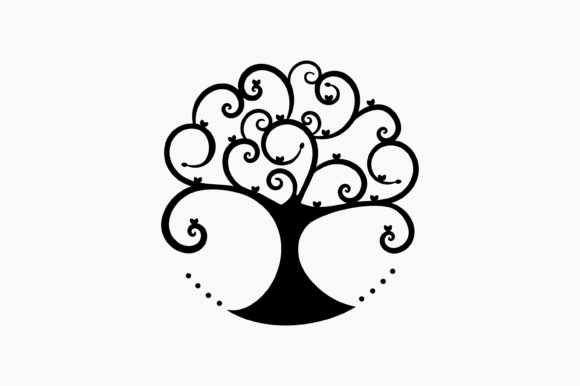
The Tree of Life embroidery design is a versatile and meaningful piece that offers a strong visual presence and emotional depth. Its elegant lines and organic form make it ideal for a wide range of embroidery projects, from custom apparel to personalized gifts. As a designer who has worked with numerous digital embroidery files, I found the Tree of Life to be both visually appealing and functionally sound for real-world use.
First Impressions: A Design That Speaks Volumes
From the moment I viewed the Tree of Life, its design exuded a sense of calm and growth. The central tree stands tall, with branches extending outward in a balanced and natural way. The level of detail is just right—enough to add character without overwhelming the eye. It’s a design that feels timeless, making it suitable for both modern and traditional settings.
The layout is clean and well-structured, which makes it easy to adapt for different embroidery applications. Whether you're working on a simple t-shirt or a more intricate project like a baby onesie, the Tree of Life has a flexible aesthetic that can fit into many contexts.
Real-World Use Cases: Where Tree of Life Shines
One of the first projects I considered was a custom embroidered tote bag for a client who wanted a meaningful and stylish accessory. The Tree of Life looked great on a cotton canvas tote, with the design sitting nicely in the center. The stitch density was appropriate for the size, and the overall look was professional and polished.
For a sweatshirt embroidery project, the design also held up well. The branches and trunk were clearly defined, and the saturation of the stitches gave the image a rich, three-dimensional feel. When used on a dark fabric, the contrast between the design and the background was striking, making it a standout piece.
I also tested the design on a baby onesie, where its soft, flowing lines made it perfect for a nursery decor item. The design didn’t feel too bold or aggressive, which is important when working on children’s clothing. It’s a design that could easily become a cherished keepsake.
Where to Be Cautious: Limitations and Considerations
While the Tree of Life is a strong design, there are some situations where it may not perform as well. For example, on small hoop sizes, the design might require multiple hooping sessions, which can be time-consuming and increase the risk of misalignment. If you're working with a tight hoop, consider simplifying the design or adjusting the size accordingly.
On textured fabrics or thin materials, the design may not show up as clearly. This is especially true for stretchy or delicate fabrics, where the stitches might pucker or distort. Using the right stabilizer is essential in these cases to ensure the design remains smooth and even.
When working with dark fabrics, the thread color choice becomes critical. A light-colored thread might not stand out enough, while a dark thread could blend in too much. Testing the design on a swatch before committing to a larger project is always a good idea.
Impact on Visual Appeal and Customer Perception
The Tree of Life adds significant value to any finished product. Its natural theme and clean lines make it instantly recognizable and appealing. For a handmade product or personalized gift, this design can elevate the perceived quality and thoughtfulness of the item.
As an Etsy seller or small shop owner, using the Tree of Life in your listings can help build brand consistency. It’s a design that customers will remember and associate with your style. When paired with the right marketing, it can also drive engagement and encourage repeat purchases.
From a commercial embroidery perspective, the Tree of Life is a solid choice for bulk orders or branded merchandise. Its simplicity and clarity make it easy to reproduce consistently across different items and fabric types.
Practical Designer Notes: What to Check Before Using
Before using the Tree of Life in any project, I recommend testing it on scrap fabric. This allows you to see how the stitches look in real conditions and identify any potential issues. Pay close attention to the stitch density—too dense, and the design may look cluttered; too sparse, and it may lose its detail.
Check the hoop size required for the design. If it's larger than your machine can handle, you may need to split the design or adjust the scale. Also, review the file formats provided. While the design is available in SVG, PNG, EPS, and DXF, make sure it’s compatible with your embroidery software and machine.
Inspect the design for any small details that might be lost during stitching. Tiny elements, such as leaves or accents, should be checked for visibility. If necessary, simplify or adjust them to ensure they remain clear after embroidery.
Finally, confirm the licensing terms if you plan to sell finished products or digital files. Even though the product description mentions unlimited use, it’s always wise to verify the exact terms to avoid any legal issues down the line.
Conclusion: A Design That Works Well Across Many Projects
The Tree of Life embroidery design is a thoughtful and adaptable option for a variety of embroidery projects. Whether you're creating custom apparel, personalized gifts, or small business merchandise, it has the potential to enhance your work and appeal to a broad audience.
With proper preparation and consideration, this design can become a staple in your collection of machine embroidery files. It’s a great choice for anyone looking to add a meaningful and visually striking element to their handmade products or commercial designs.